
Jaw crusher bridging occurs when one oversize particle or an arch of interlocking particles prevents material from entering the crushing chamber. It is different from a stalled crusher, where the chamber, drive or another component can no longer move normally, and from a discharge blockage below the crusher. Correct identification matters because each event has different causes and hazards.
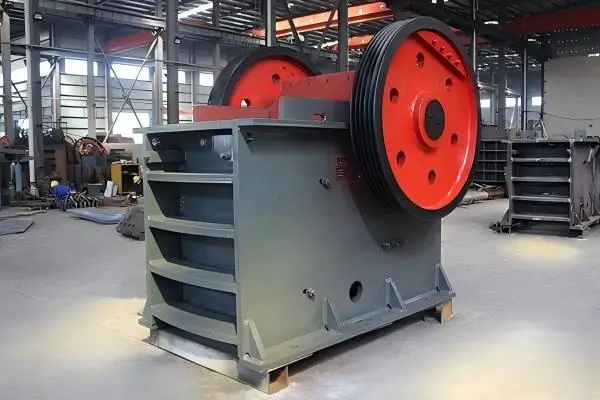
Bridge, Stall or Downstream Blockage?
| Event | Typical Observation | Possible Sources | Initial Control |
|---|---|---|---|
| Feed bridge | Material remains above the inlet while the chamber receives little or no new feed. | Oversize, slabby particles, interlocking rock, clay/fines, foreign objects or unfavorable feed direction. | Stop feed, secure the area and use the approved site assessment and response procedure. |
| Crusher stall | Crusher motion, speed or power condition becomes abnormal and material may be trapped in the chamber. | Overload, jammed material, tramp metal, mechanical failure, electrical fault or drive problem. | Treat stored energy and possible ejection as serious hazards; follow shutdown, isolation and escalation requirements. |
| Discharge restriction | Crushed material cannot leave freely and begins backing up toward the chamber. | Blocked chute, stopped conveyor, wet fines accumulation, transfer-point buildup or insufficient downstream capacity. | Stop upstream feed and isolate the affected connected equipment under the approved procedure. |
| Feeder interruption | The crusher is available, but the hopper or feeder does not deliver material consistently. | Hopper arching, feeder fault, uneven loading, sticky feed or control instability. | Separate feeder/hopper diagnosis from a blockage inside the crusher. |
Why Material Bridges Above a Jaw Crusher
Oversize or elongated rock
A single lump can exceed the effective receiving geometry. Long, flat or slabby pieces can span the opening even when one measured dimension appears acceptable.
Interlocking particle shape
Angular particles can form a self-supporting arch. The risk depends on size distribution, orientation, surface friction and the relationship between particle dimensions and the opening.
Clay, moisture and fines
Sticky fines can bind larger particles, reduce free flow and accumulate on chute or chamber surfaces. Moisture effects depend on mineralogy and feed condition.
Surging or poor feed direction
Large batches and off-center loading can pack particles into an unstable arrangement. A controlled feeder helps regulate the rate and direction entering the chamber.
Foreign material
Wood, scrap, bucket teeth and other tramp objects can obstruct the feed or chamber and may introduce stored energy or projectile hazards.
Restricted discharge
A downstream buildup or stopped conveyor can cause material to back up. The visible symptom near the jaw opening may therefore originate below the crusher.
Prevent Bridging Upstream
The most reliable correction removes the source before material reaches the jaw crusher. Fragmentation, loading practice, grizzly spacing and feeder control should work together. The existing guide to jaw crusher feed-size control explains normal top-size and distribution management; bridging analysis adds particle shape, stickiness, surge behavior and opening geometry.
- track oversize frequency by source, blast area or incoming material stream;
- record elongated and slabby particles, not only nominal maximum size;
- separate or reduce oversize using the site’s engineered upstream method;
- remove tramp metal and foreign objects with suitable upstream controls;
- inspect hopper, grizzly and chute surfaces for clay or fines accumulation;
- use a stable vibrating feeder rate and centered feed path;
- confirm the discharge chute and downstream conveyor have available capacity;
- trend interruptions instead of accepting repeated clearing as normal production.
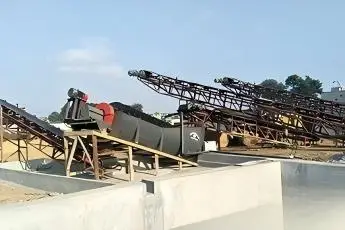
Monitor the Conditions Before Flow Stops
A bridge often develops faster than a production report can show it. Operators need visible or instrumented indications of feed level, feeder rate, crusher power or speed, discharge flow and downstream conveyor status. The exact monitoring arrangement depends on the plant and guarding requirements.
Compare every interruption with feed source, particle-size observations, weather, moisture, feeder setting and loader or excavator practice. A recurring pattern after rain suggests a different cause from isolated oversize after a blast change. Time-aligned records turn a blockage log into usable process evidence.
Safe Response Has a Strict Boundary
The UK Health and Safety Executive’s quarry crushing safety guidance identifies accidental startup, moving material, unexpected component movement and stored electrical, hydraulic, pneumatic, mechanical and gravitational energy among blocked-crusher hazards. It also stresses competent supervision, isolation where required and task-specific risk assessment.
Do not improvise with wedges, hand tools, suspended loads or uncontrolled access. Any remote mechanical method must be engineered for the plant, included in the site procedure and used by trained personnel within the approved exclusion zone. A stalled crusher must also be treated as potentially containing tramp material that can be ejected.

Investigate Every Recurring Bridge
| Recurring Pattern | Likely Investigation Area | Evidence to Collect |
|---|---|---|
| One large rock spans the opening | Fragmentation, oversize separation, loading inspection and receiving geometry. | Three-dimensional lump measurements, source location, frequency and upstream screening records. |
| Several normal-size rocks interlock | Particle shape, feed direction, surge loading and opening relationship. | Photos from a protected viewpoint, shape observations, feeder trend and loading sequence. |
| Events rise during wet weather | Clay content, moisture, fines adhesion and chute buildup. | Moisture samples, weather record, material source and buildup inspection. |
| Crusher appears bridged but discharge is full | Discharge chute, transfer point, conveyor availability and downstream capacity. | Conveyor status, chute inspection, downstream load and timing of the backup. |
| Different operators have different event rates | Loader positioning, batch size, drop point, feeder control and operating consistency. | Shift records, loading method, feed trend and standardized operating observations. |
Convert the Event Log Into Corrective Action
- Classify the event as a feed bridge, stall, discharge restriction or feeder interruption.
- Preserve time, material source, weather, feeder, crusher and conveyor data.
- Record particle size, shape, clay/fines and foreign-material evidence from a safe location.
- Identify the upstream condition that allowed the event to occur.
- Assign an engineered corrective action with a responsible owner and completion date.
- Track event frequency and lost time after the change to confirm effectiveness.
Bridging should be reviewed within the complete primary crushing stage, because fragmentation, feeding, crushing and discharge are connected. The stationary crusher range provides context for different fixed crushing duties, but final receiving and feed arrangements must be matched to site material and capacity.
Frequently Asked Questions
What is jaw crusher bridging?
It is a self-supporting obstruction above or at the crusher inlet, formed by one oversize particle or several interlocking particles that stop normal feed flow into the chamber.
How is bridging different from a stalled crusher?
A bridge blocks feed entry while the crusher may still be mechanically available. A stall involves abnormal crusher motion, overload, jammed material or a mechanical or electrical fault. Both require the approved site response.
Why can correctly sized rock still bridge?
Nominal size does not describe elongation, flatness, angularity, orientation, friction or how several particles interlock. Feed surges and off-center delivery can also create an arch.
Can wet or clay-rich feed cause bridging?
Yes. Moist clay and fines can bind larger particles, reduce free flow and build up on feed surfaces. The effect depends on material mineralogy, moisture and plant geometry.
What should happen first when crusher feed stops?
Stop the feed, keep personnel out of hazardous areas, notify the responsible supervisor and use the site’s approved blocked-crusher assessment, isolation and response procedure.
For a primary crushing configuration review, provide feed size and shape data, moisture and clay condition, required capacity, feeder arrangement, crusher opening and a record of interruption patterns through the Vanore Mining contact page.