
Stone Crushing Equipment
Impact Crusher for Quarry and Aggregate Crushing
Vanore Mining supplies impact crusher equipment for quarry, aggregate, mining and mineral processing plants. The crusher uses impact force to reduce medium-hard materials and produce shaped aggregate for construction applications.
Brand and Product Overview
Heavy-Duty Impact Crusher from Vanore Mining
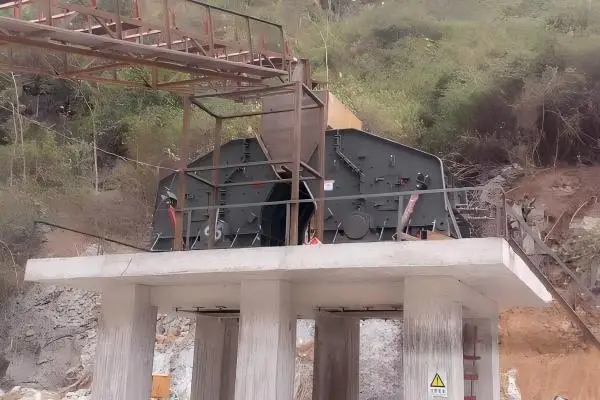
Vanore PF impact crushers combine a horizontal rotor, blow bars and impact aprons for secondary stone crushing and aggregate shaping. Limestone and low-abrasion quarry stone are common applications. Feed size, required grading and material abrasiveness guide the equipment and wear-part selection.
The equipment can work with vibrating feeders, jaw crushers, vibrating screens and conveyors in stationary stone crushing plants.

Manufacturing Display
Impact Crusher Equipment Gallery


Crushing Options
Impact Crusher Types and Configuration Options
Secondary Crushing
Used after primary jaw crushing for medium-size stone reduction.
Aggregate Shaping
Supports cubic particle shape for construction aggregate applications.
Limestone Crushing
Suitable for limestone and similar medium-hard materials in quarry plants.
Complete Plant Use
Can be matched with feeders, screens and conveyors in full production lines.
Advantages
Impact Crusher Design Features
Efficient Impact Crushing
The rotor and impact plates support strong material reduction in secondary crushing duties.
Aggregate Reduction and Grading
Impact fragmentation can improve particle form in suitable material. The result depends on feed and operating conditions; final grading is established with screening.
Heavy-Duty Chamber
The frame supports the rotor and crushing chamber during continuous quarry operation.
Application-Matched Wear Parts
Blow bars and impact plates are selected to suit the material abrasiveness and crushing duty.
Applications
Impact Crusher Applications
Quarry Crushing
Used for secondary crushing in quarry and stone production plants.
Aggregate Production
Produces construction aggregate for concrete, asphalt and road base materials.
Limestone Processing
Suitable for limestone crushing in cement, aggregate and industrial material lines.
Mining Preparation
Can reduce selected ore and mineral materials before screening or grinding.
Prepared Recycling Feed
Prepared concrete and masonry can be crushed for recycling after sorting, metal separation and feed-size control.
Applicable Materials
Materials Suitable for Impact Crushing
Material abrasiveness and breakage behavior guide application selection. Upstream handling addresses sticky feed and removes unwanted metal before crushing.
Impact Crusher Technical Specifications
| Model | Rotor diameter × width (mm) | Feed opening (mm) | Maximum feed size (mm) | Motor power (kW) | Weight (t) | Overall dimensions (mm) |
|---|---|---|---|---|---|---|
| PF-1007 | 1000×700 | 400×730 | 300 | 37-45 | 12 | 2330x1660x2300 |
| PF-1010 | 1000×1050 | 400×1080 | 350 | 45-55 | 15 | 2370x1700x2390 |
| PF-1210 | 1250×1050 | 400×1080 | 350 | 110 | 17.7 | 2680x2160x2800 |
| PF-1214 | 1250×1400 | 400×1430 | 350 | 132 | 22.4 | 2650x2460x2800 |
| PF-1315 | 1320×1500 | 860×1520 | 500 | 200 | 27 | 3180x2720x3120 |
| PF-1320 | 1300×2000 | 993×2000 | 500 | 250 | 34 | 3220x3100x3120 |
| PF-1520 | 1500×2000 | 830×2040 | 700 | 315-400 | 50.6 | 3959x3564x3330 |
| Model | Capacity (t/h) |
|---|---|
| PF-1007 | 30-70 |
| PF-1010 | 50-90 |
| PF-1210 | 70-130 |
Feed size and finished aggregate
The table lists the inlet dimensions and maximum feed size for each PF model. Feed grading, rotor operating conditions and impact-apron settings determine the crushing duty, while the screening circuit separates the required aggregate sizes.
Material strength, abrasiveness, feed grading and the required reduction affect capacity. Plant sizing accounts for both fresh feed and screen oversize returned for further crushing. The motor ratings shown apply to the crusher drive.
Product Structure
Main Structure of Vanore Impact Crusher
Feed Opening
Receives material from upstream feeding and crushing equipment.
Rotor Assembly
Drives blow bars to impact and reduce incoming material.
Blow Bars
Key wear parts that strike material during crushing operation.
Impact Plates
Support impact crushing and particle size reduction inside the chamber.
Discharge Area
Releases crushed material toward conveying and screening equipment.
Support Frame
Holds the crusher body and drive components in working alignment.
Circuit Integration
Impact Crusher in a Complete Crushing Line
Vanore Mining designs impact crusher equipment as part of a complete crushing and screening line. The crusher can connect with feeding, primary crushing, conveying and screening equipment for continuous plant operation.
Related equipment: Jaw Crusher, Stone Crusher Plant and Mining Equipment Manufacturer.
Impact Crusher Equipment Scope and Technical Details
| Equipment group | Function and connection |
|---|---|
| Rotor and blow bars | Deliver impact to the incoming material. Blow-bar dimensions, fastening and material selection must suit the actual rotor and feed duty. |
| Impact aprons and liners | Provide impact surfaces inside the chamber. Wear condition and operating clearances influence material reduction and product grading. |
| Drive and housing | Carry the rotor assembly and transmission. Installation requires the selected machine envelope, drive access and service clearances. |
| Connected plant equipment | Feeders deliver material, metal-removal equipment protects the material stream, screens separate product grades and conveyors connect the stages. The equipment combination follows the plant layout. |
Wear-part matching and plant output
Vanore supplies impact crushers and matching wear parts for quarry and aggregate production. Blow-bar selection considers material abrasiveness, feed conditions and the rotor arrangement. For replacement parts, share the crusher model and part identification or fastening dimensions so our team can check the fit.
A sizing screen separates finished aggregate from material requiring further reduction. A compression-crushing stage provides an alternative route for suitable hard, abrasive feed, while dust collection addresses the relevant dry transfer and enclosure points.
Impact Crusher FAQ
How does a PF impact crusher reduce stone?
Rotor-mounted blow bars strike the incoming stone and throw it against impact surfaces inside the chamber. Repeated impact reduces the feed before it leaves for conveying and screening.
Which materials suit impact crushing?
Limestone and low-abrasion quarry stone are common applications. Material strength, abrasiveness, feed grading and the required product guide the choice of crusher and wear parts. Highly abrasive rock calls for comparison with a compression-crushing route.
How is the feed size matched to the crusher?
Each model has a listed maximum feed size alongside its inlet dimensions. Upstream crushing and feeding equipment prepare material within that limit and deliver it to the crusher inlet.
How does the crusher produce the required aggregate sizes?
Crushing conditions and impact-apron settings influence the product, while a sizing screen separates the required grades. Oversize can return for further crushing, and this circulating load is included in plant sizing.
What information helps identify replacement wear parts?
Share the crusher model, part identification and available dimensions or drawings. Blow bars and liners are matched to the rotor, fastening arrangement and material duty.
Contact Vanore Mining
Discuss Your Impact Crusher Application
Share your material type, maximum feed size, required throughput and finished aggregate sizes. Vanore Mining can review the equipment configuration and its connection to your plant.