
Proses pembakaran kapur kapur mengubah batu kapur yang sudah jadi menjadi kapur tohor dengan memberikan panas yang cukup untuk menguraikan kalsium karbonat. Tempat pembakaran harus memanaskan setiap batu melalui penampangnya, menghilangkan karbon dioksida yang dilepaskan, lindungi struktur kapur yang diinginkan dan kemudian sambungkan dengan pendinginan terkontrol dan penanganan produk. Kimia batu kapur, ukuran partikel, aliran gas, oleh karena itu distribusi panas dan waktu tinggal bekerja sebagai satu proses dan bukan pengaturan independen.
Mengapa Kualitas Kalsinasi Penting
Kapur tohor bukan sekadar batu kapur panas. Kalsinasi mengubah mineral karbonat menjadi oksida dan menciptakan struktur produk berpori. Tingkat konversi dan sejarah termal mempengaruhi reaktivitas, kekuatan, pembentukan denda dan kinerja dalam penggunaan hilir. Sebagai akibat, kiln harus menyeimbangkan konversi dengan kondisi produk.
Itu Definisi EPA AS tentang pembuatan kapur mengidentifikasi kiln yang menghasilkan kapur dari batu kapur atau dolomit melalui kalsinasi. Hubungan entitas yang jelas ini penting: batu kapur adalah pakannya, kalsinasi adalah transformasi, dan kapur tohor atau kapur dolomit adalah hasil pembakarannya.
Konversi yang tidak sempurna meninggalkan inti karbonat yang umumnya digambarkan sebagai material yang kurang terbakar. Sebaliknya, paparan panas yang berlebihan dapat menyinter struktur kapur dan menurunkan reaktivitas. Oleh karena itu, produksi yang stabil memerlukan persiapan batu yang sesuai, perpindahan panas yang seragam dan sistem kiln yang disesuaikan dengan produk yang dibutuhkan.
Alur Produksi Kapur Lengkap
Jalur produksi dimulai sebelum kiln. Batu tambang harus dihancurkan, disaring dan dipisahkan menjadi kisaran ukuran yang sesuai untuk kiln yang dipilih. Batu yang telah disiapkan kemudian memasuki sistem termal, melewati pemanasan awal dan kalsinasi, daunnya sebagai kapur panas, dan beralih ke pendinginan dan persiapan produk.
Itu Bahan sumber pembuatan kapur EPA AP-42 AS mencakup rute manufaktur terintegrasi dan tahapan proses utamanya. Di pabrik yang lengkap, kalsinasi juga berhubungan dengan penyimpanan, makanan, pembakaran, perawatan knalpot, penyaringan, menghancurkan atau menggiling dan, bila diperlukan, hidrasi.
- Persiapan batu: menghancurkan dan menyaring batu kapur sesuai spesifikasi umpan kiln.
- Pemberian makan terkontrol: meter menyiapkan batu ke dalam tempat pembakaran tanpa lonjakan yang tidak stabil.
- Pemanasan awal: memulihkan panas dari pembuangan kiln untuk menaikkan suhu umpan.
- Kalsinasi: mentransfer panas reaksi melalui batu dan melepaskan karbon dioksida.
- Pendinginan: menurunkan suhu kapur tohor dan memulihkan panas yang berguna ke udara pembakaran jika desain memungkinkan.
- Persiapan produk: layar, menghancurkan, menggiling, menyimpan atau menghidrasi jeruk nipis sesuai produk yang dibutuhkan.
Tahapan Proses dan Peran Peralatan Kiln
| Panggung | Perubahan Materi | Peran Peralatan | Variabel Kunci | Risiko Umum |
|---|---|---|---|---|
| Menghancurkan dan mengukur | Batu tambang besar menjadi pakan kiln yang terkontrol. | Penghancur, layar dan penyimpanan menyiapkan kisaran ukuran yang stabil. | Kimia, ukuran atas, denda, distribusi ukuran dan kontaminasi | Ukuran yang beragam menciptakan aliran dan konversi gas yang tidak merata. |
| Makanan | Batu memasuki kiln dengan laju padatan yang terkendali. | Tempat sampah, gerbang dan pengumpan mempertahankan pola pemuatan yang dipilih. | Kecepatan umpan, pemisahan, kondisi lembab dan segel | Lonjakan mengganggu tempat tinggal dan keseimbangan termal. |
| Pemanasan awal | Suhu batu meningkat sebelum terjadinya dekomposisi besar. | Preheater atau zona kiln atas memulihkan panas buangan. | Suhu gas, kontak, ukuran batu dan penurunan tekanan | Pemulihan panas yang buruk meningkatkan tugas kiln hilir. |
| Kalsinasi | Kalsium karbonat terurai menjadi kalsium oksida dan karbon dioksida. | Tempat pembakaran, burner atau sistem pemanas dan refraktori menjaga lingkungan reaksi. | Profil panas, komposisi gas, tempat tinggal, suhu inti batu dan pembuangan CO2 | Kurang terbakar, produk terbakar berlebihan atau tidak seragam |
| Pendinginan | Kapur panas mencapai kondisi pembuangan yang terkendali. | Pendingin memindahkan panas masuk akal ke udara pendingin atau pembakaran. | Distribusi udara, tempat tidur produk, laju pelepasan dan suhu akhir | Pemulihan panas hilang atau material hilir panas |
| Penanganan produk | Kapur tohor mencapai ukuran yang dibutuhkan atau bentuk terhidrasi. | Konveyor, layar, penghancur, pabrik, pemisah, penyimpanan atau hidrator melengkapi rute produk. | Ukuran produk, reaktivitas, denda, pengecualian kelembaban dan waktu penyimpanan | Debu, hidrasi dari kelembaban yang tidak terkendali atau pemisahan produk |
Persiapan Batu Kapur Mengontrol Stabilitas Kiln
Kualitas batu dimulai dengan geologi dan pengendalian tambang. Batu kapur berkalsium tinggi dan batu dolomit tidak menghasilkan komposisi oksida yang sama. silika, alumina, senyawa besi dan konstituen lainnya dapat mempengaruhi spesifikasi produk, perilaku meleleh, simpanan atau penggunaan hilir. Oleh karena itu analisis kimia yang representatif harus memandu desain pabrik.
Distribusi ukuran penting karena panas harus menembus dari permukaan batu menuju inti. Potongan-potongan kecil cepat panas dan dapat menimbulkan butiran halus atau penurunan tekanan yang berlebihan, sementara potongan besar membutuhkan lebih banyak waktu untuk konversi sempurna. Sempit, rentang umpan yang stabil mendukung pergerakan gas dan paparan panas yang lebih seragam, terutama pada sistem poros.
A pengumpan batu kapur yang terkontrol membantu menjaga laju padatan, namun tata letak penyimpanan dan penanganan juga harus mencegah segregasi. Rute peralatan harus menjaga distribusi ukuran yang telah disiapkan dari penyaring hingga saluran masuk kiln.
Pemanasan awal, Zona Kalsinasi dan Pendinginan
Zona Pemanasan Awal
Gas buang panas memindahkan panas sensibel ke batu yang masuk. Pemanasan awal yang efektif mengurangi tugas kiln tambahan yang diperlukan sebelum dekomposisi dan dapat meningkatkan efisiensi sistem. Distribusi gas, area kontak dan ukuran batu menentukan seberapa merata umpan memasuki zona reaksi.
Zona Kalsinasi
Batu tersebut menyerap panas reaksi sementara karbon dioksida berpindah dari bagian depan reaksi melalui struktur pori dan masuk ke dalam gas proses. Perpindahan panas, kondisi waktu dan gas harus mendukung konversi melalui batu tanpa sintering yang berlebihan.
Zona Pendinginan
Udara pendingin menurunkan suhu kapur tohor dan dapat mengembalikan panas yang diperoleh ke pembakaran. Pendinginan yang stabil melindungi konveyor dan penyimpanan hilir sekaligus mendukung keseimbangan panas total.
Jalur Gas dan Debu
Knalpot membawa karbon dioksida, produk pembakaran, panas dan debu yang masuk. Saluran, kipas angin dan peralatan pengumpul harus menjaga tekanan kiln yang diperlukan sambil mengendalikan kehilangan material dan emisi.
Kurang terbakar, Kapur yang Dikalsinasi dan Dibakar dengan Benar
| Kondisi Produk | Arti Proses | Kemungkinan Penyebabnya | Tinjauan Tanaman |
|---|---|---|---|
| Kurang terbakar | Inti karbonat atau fraksi yang tidak terkonversi sempurna tetap ada. | Batu berukuran besar, perpindahan panas yang tidak mencukupi, tempat tinggal singkat yang efektif, umpan berlebihan atau distribusi gas yang buruk | Ukuran pakan, memuat, profil panas, aliran gas dan pengujian produk yang representatif |
| Dikalsinasi dengan benar | Konversi dan struktur produk memenuhi spesifikasi kapur yang ditentukan. | Pakan seimbang, panas, aliran gas, tempat tinggal dan pendinginan | Pertahankan pita operasi yang stabil dan verifikasi tren kualitas produk. |
| Terbakar berlebihan | Paparan panas yang berlebihan dapat memadatkan atau menyinter produk dan mengurangi reaktivitas. | Panas berlebih, paparan panjang, pecahan batu kecil atau pergerakan material yang tidak seragam | Distribusi batu, profil suhu, stabilitas tempat tinggal dan debit |
Operator tidak dapat mendiagnosis kondisi ini hanya dengan satu pembacaan suhu. Mereka membutuhkan pakan yang disesuaikan dengan waktu, bahan bakar, tekanan, tren kualitas gas dan produk ditambah sampel yang representatif. Prosedur lokasi harus mengatur perubahan burner, masuknya tungku pembakaran, inspeksi tahan api dan mengatasi kapur panas.
Peran Tempat Kapur Berputar dan Vertikal
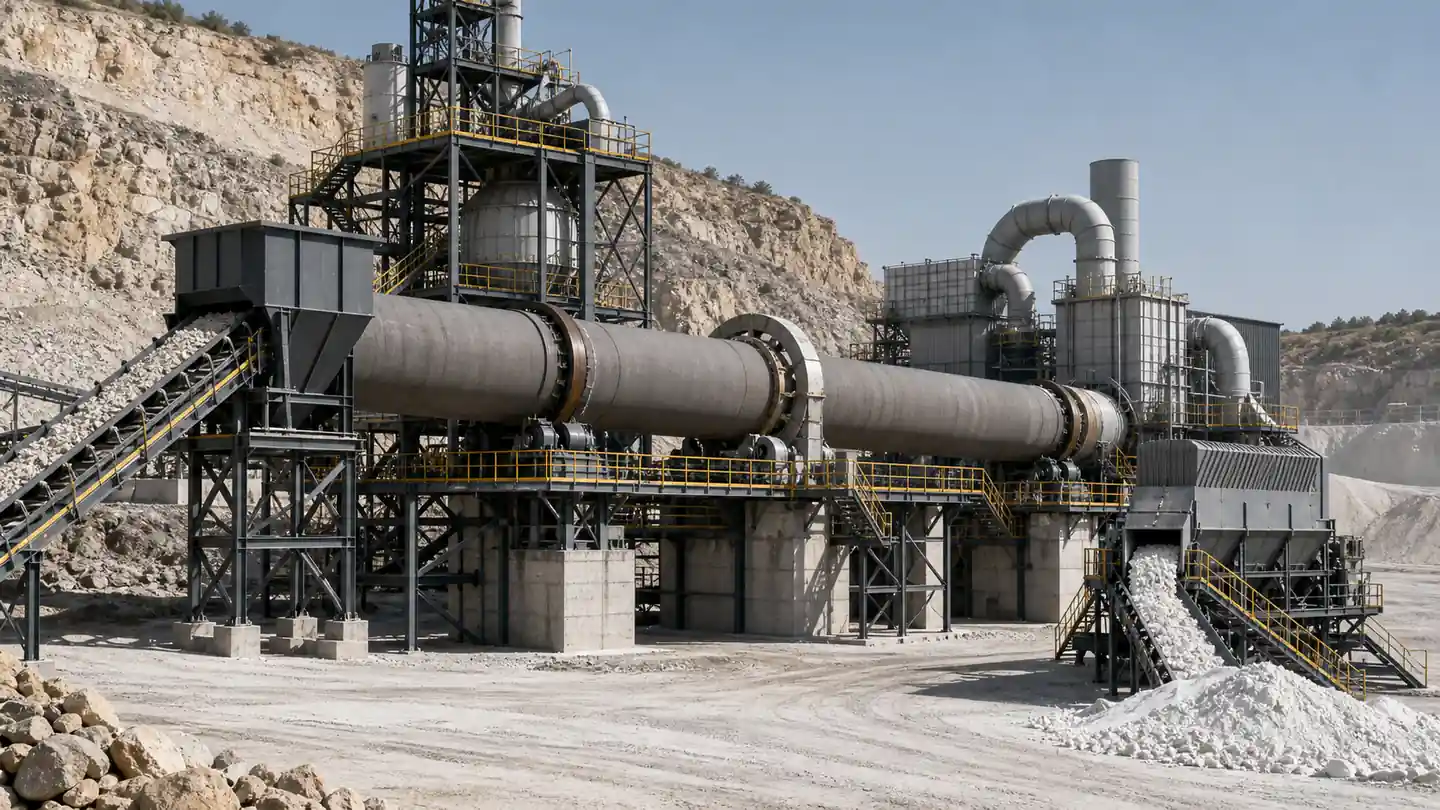
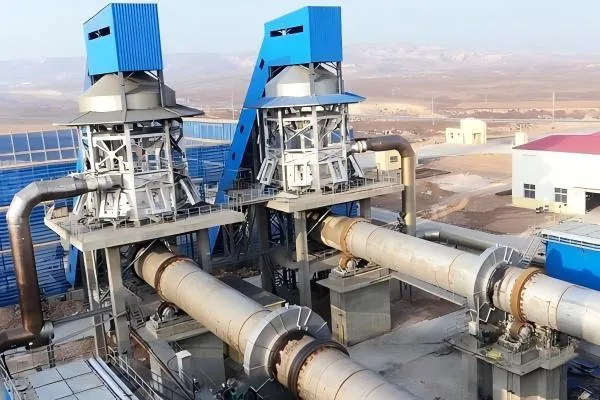
A tempat pembakaran kapur putar menggerakkan batu melalui cangkang berlapis tahan api yang berputar dan miring. Rotasi mendorong pergerakan dan pencampuran material, sedangkan pabrik dapat menggabungkan kiln dengan pemanas awal batu dan pendingin produk. Sistem putar dapat mendukung beragam tugas kapur, tetapi konfigurasi akhir bergantung pada sifat batu, bahan bakar, kebutuhan produk dan penanganan gas.
A tempat pembakaran kapur vertikal menggerakkan batu yang sudah disiapkan ke bawah melalui poros sementara gas melewati lapisan. Pengaturan ini sangat bergantung pada ukuran partikel yang terkontrol, permeabilitas lapisan dan distribusi gas yang merata. Desain poros yang berbeda memulihkan panas dan mengatur pembakaran dengan cara yang berbeda, jadi istilah tanur vertikal tidak menggambarkan satu proses universal.
Tidak ada rute yang secara otomatis lebih unggul untuk setiap proyek. Seleksi harus mempertimbangkan kimia dan ukuran batu kapur, sifat kapur yang diperlukan, dasar produksi, ketersediaan bahan bakar, tujuan energi, persyaratan emisi dan tata letak lokasi. Panduan yang lebih luas untuk perbedaan antara tanur putar dan pengering putar menjelaskan mengapa kalsinasi memerlukan tanur yang berfokus pada reaksi dibandingkan peralatan penghilang kelembapan biasa.

Peralatan Penunjang Di Sekitar Lime Kiln
Kiln adalah reaktor pusat, namun jalur produksi menentukan apakah jalur tersebut menerima umpan yang stabil dan mengeluarkan produk yang terkontrol. Menghancurkan dan menyaring menyiapkan batu. Penyimpanan dan pemberian makan mengatur aliran. Sistem termal memasok panas, sementara segel, saluran dan kipas mengontrol pergerakan gas. Sebuah dipilih dengan benar pengumpul debu tanaman jeruk nipis mengelola partikel yang masuk sesuai dengan suhu gas dan sifat debu.
Setelah dingin, kapur tohor dapat lolos melalui penyaringan, menghancurkan atau menggiling. Dimana rute produk memerlukan klasifikasi material yang halus, A pemisah bubuk kapur dapat melayani rangkaian bubuk hilir. Produksi kapur terhidrasi menambahkan reaksi terkontrol terpisah dengan air dan tidak boleh diperlakukan sebagai bagian dari kalsinasi tanur.
Itu Kategori peralatan kiln dan pengering Vanore menghubungkan masing-masing produk kiln dengan pengumpan, pendingin, peralatan pengendalian debu dan penanganan material yang digunakan di jalur pemrosesan mineral dan termal yang lengkap.
Input Proyek Utama untuk Konfigurasi Kiln
- Kimia batu: kalsium karbonat, magnesium karbonat dan profil pengotor yang relevan.
- Pakan fisik: distribusi ukuran, kepadatan massal, kekuatan, denda, kelembaban dan variasi yang diharapkan.
- Produk yang dibutuhkan: tipe kapur tohor, ukuran, konversi, reaktivitas dan penggunaan hilir.
- Dasar produksi: laju umpan kering, jadwal operasi dan turndown yang dapat diterima.
- Dasar termal: bahan bakar yang tersedia, kondisi udara pembakaran, tujuan pemulihan panas dan suasana proses.
- Integrasi tanaman: penumpasan, penyaringan, penyimpanan, makanan, pendinginan, pengumpulan debu, penanganan produk dan ruang yang tersedia.
Uji material yang representatif dan keseimbangan panas dan massa proyek harus menentukan pengaturan peralatan. Deskripsi proses secara umum tidak dapat menggantikan teknik spesifik kiln, tinjauan emisi lokal atau prosedur pembakaran dan keselamatan di lokasi.
FAQ Proses Kiln Kalsinasi Kapur
Apa yang terjadi selama kalsinasi kapur?
Panas menguraikan kalsium karbonat dalam batu kapur menjadi kalsium oksida, disebut kapur tohor, dan karbon dioksida. Kiln harus menyediakan panas dan waktu yang cukup sambil membiarkan karbon dioksida yang dilepaskan keluar dari batu dan memproses gas.
Apa zona utama dalam tempat pembakaran kapur??
Tempat pembakaran kapur kontinyu umumnya mencakup pemanasan awal, fungsi kalsinasi dan pendinginan. Gas buang memanaskan batu yang masuk, zona kalsinasi mendorong dekomposisi karbonat, dan udara pendingin menurunkan suhu produk sekaligus memulihkan panas yang berguna.
Mengapa ukuran batu kapur penting untuk kalsinasi?
Ukuran batu mempengaruhi aliran gas, penetrasi panas dan persyaratan tempat tinggal. Distribusi ukuran yang lebar atau tidak stabil dapat menyebabkan partikel-partikel kecil menjadi terlalu panas sementara partikel-partikel besar tetap tidak terkalsinasi secara sempurna.
Apa penyebab jeruk nipis underburned atau overburned?
Underburning dapat terjadi akibat perpindahan panas atau waktu yang tidak mencukupi, batu berukuran besar, umpan berlebihan atau distribusi gas yang buruk. Pembakaran yang berlebihan dapat terjadi akibat paparan panas yang berlebihan dan dapat mengurangi reaktivitas kapur tohor.
Perbedaan tanur kapur putar dan vertikal?
Rotary kiln memindahkan batu melalui cangkang berputar yang miring dan menawarkan pergerakan material yang luas serta fleksibilitas proses. Kiln vertikal memindahkan batu berukuran ke bawah melalui poros dan sangat bergantung pada konsistensi ukuran umpan dan distribusi gas. Seleksi memerlukan data material dan produk.