
Dust Control Equipment
Dust Collector for Mining and Industrial Plant Dust Control
Vanore Mining supplies bag dust collector equipment for mining, carrière, grinding and powder-handling plants. Pulse-jet cleaning, filter bags and hopper discharge form the collection unit, with extraction airflow matched to the connected dust sources.
Bag Dust Collectors for Mineral Processing Plants
The collection unit separates particles from an extracted air stream. Dust remains on the filter surface, filtered air passes onward through the system, and the collected material falls into the hopper during cleaning.
Vanore baghouse equipment connects with équipement de dépistage, grinding systems and material-transfer points. The collector, capture hoods, ductwork, fan and discharge device perform different duties within the same extraction arrangement.
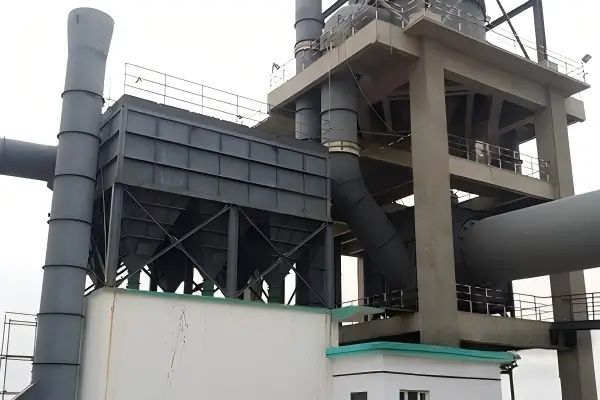
Dust Collector Product and System Display

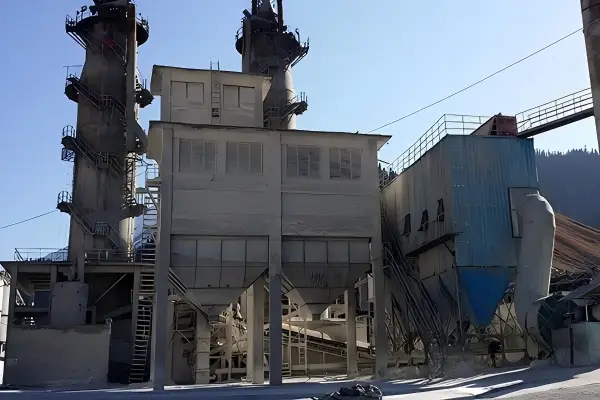

Pulse-Jet Filtration and System Options
Bag filtration
Filter bags provide the separation surface inside the housing. Dust properties and gas conditions determine the appropriate filter medium.
Pulse-jet cleaning
Compressed-air pulses release accumulated dust from the bags into the hopper. Pulse valves and the cleaning controller coordinate bag cleaning within the filtration unit.
Local extraction
A collector can serve a defined transfer, filling or discharge point. Capture depends on the hood and airflow at the source as well as the collector.
Centralized collection
Several compatible sources can connect to one extraction network. Duct balance and simultaneous airflow determine how the connected points operate together.
Equipment Features for Plant Dust Collection
Renewable filtration surface
Pulse cleaning removes accumulated material so the bags can continue filtering. Cleaning operation and dust discharge are considered alongside the required airflow.
Defined dust discharge
The hopper receives separated material and connects to a discharge device. The handling arrangement follows the properties and destination of the collected dust.
Plant equipment interfaces
Inlet ducting, outlet connection and fan duty link the collector to the extraction system. Fan pressure must cover the collector and the connected flow path.
Inspection and service access
Bags, cages, valves and discharge components require maintenance access. The equipment layout includes space for these routine service points.
Dust Collector Applications
Écrasement, screening and aggregate transfer
Dry crushing and screening create dust at feed, discharge and conveyor-transfer points. Enclosures and extraction hoods guide the airborne material into the duct system before filtration. A collector supports the crushing plant arrangement, with capture hoods, duct branches and fan pressure sized for the connected sources.
Grinding and powder handling
Mill discharge, classification, storage filling and packing can release fine material into process air. The extraction arrangement links these sources with a collection unit and controlled dust discharge. Where grinding uses a wet circuit, the duty differs from dry powder extraction; un broyeur à boulets has different air-handling requirements in wet and dry grinding circuits.
Cement and lime material handling
Limestone transfer, dry powder storage and packing are different collection duties from hot process exhaust. Around lime production equipment, filter media and system construction must suit the actual temperature, moisture and gas chemistry. Hot process gas and ambient transfer-point dust each require their own filtration arrangement.
Dust and Gas Conditions
Particle size, dust loading, abrasion, moisture and stickiness influence filtration and discharge. Gas temperature and chemistry also affect filter-media compatibility. Combustible or reactive dust requires a separate hazard assessment; a standard mineral-dust collector is not automatically an explosion-protection system.
Dust Collector Model Specifications
| Modèle | Volume d'air (m³/h) | Filter bags (pcs) | Bag size: diameter × longueur (mm) |
|---|---|---|---|
| YKMC-32-2.5 | 1,440–2,160 | 32 | 130 × 1,950 |
| YKMC-48-2.5 | 2,160–3,240 | 48 | 130 × 1,950 |
| YKMC-64-2.5 | 2,880–4,320 | 64 | 130 × 1,950 |
| YKMC-80-2.5 | 3,600–5,400 | 80 | 130 × 1,950 |
| YKMC-96-2.5 | 4,320–6,480 | 96 | 130 × 1,950 |
| YKMC-112-2.5 | 5,040–7,560 | 112 | 130 × 1,950 |
Air volume describes the gas flow handled by the collector. The installed duty also depends on filter medium, dust loading, gas conditions and the extraction network.
Main Components of a Bag Dust Collector
Housing and clean-air chamber
The casing contains the filter assembly and separates the dust-laden and filtered-air sides of the unit.
Filter bags and cages
Bags retain particles while cages support their shape. Media compatibility depends on the dust and gas environment.
Pulse-cleaning assembly
Valves and the compressed-air supply release pulses into the bags to remove accumulated material.
Hopper and discharge
The hopper collects separated dust and feeds the selected discharge arrangement for subsequent handling.
Collection, Airflow and Dust Discharge
Air moves from the capture point through the ductwork and collector to the system outlet. Collected dust follows a different path from the filter surface into the hopper and discharge device. The airflow and collected-dust routes are coordinated through the filter, hopper and discharge equipment.
| Interface | Connexion de l'équipement | Devoir |
|---|---|---|
| Dust source | Enclosure or hood with branch duct | Capture airborne particles near the release point |
| Extraction network | Conduits, branches and extraction fan | Move the required airflow through the system |
| Filtration | Baghouse with cleaning assembly | Separate particles from the air stream |
| Collected material | Hopper and discharge equipment | Remove collected dust for handling |
Dust extraction can be integrated around jaw crushing equipment, screening and dry-material transfer. Installations de fabrication de Vanore support the collector assembly and plant-equipment supply.
Bag Dust Collector FAQ
How does a pulse-jet bag dust collector work?
Dust-laden air passes through filter bags, retaining particles on the filtration surface. Short compressed-air pulses remove accumulated dust into the hopper, while the extraction fan maintains airflow through the collection system.
What does the air-volume rating describe?
Air volume is the gas flow handled by the collector, expressed in cubic metres per hour. It is used with dust loading, gas conditions and the extraction network to establish the collection duty.
How is a collector selected for hot process gas?
Température du gaz, humidité, condensation risk and chemistry guide filter-media and system selection. A hot-process-gas duty is specified separately from ambient transfer-point extraction.
Can one collector serve several extraction points?
Oui, compatible sources can connect to a centralized system. Capture hoods, duct branches, simultaneous airflow and fan pressure are sized together for the connected extraction points.
Contacter Vanore Mining
Discuss Your Plant Dust Collection Duty
Contact Vanore Mining about the material, extraction points, required airflow and gas conditions. These details define the bag collector and its connections within your plant.