
Mobile Aggregate Screening
Usine de criblage mobile pour le criblage des granulats
Vanore Mining supplies mobile screening plant equipment for grading crushed stone, aggregate and prepared mineral feed. A screen box on a mobile frame separates material into size fractions, with conveyors connecting the screened products and designated oversize to their next destinations.
Mobile Screening for Separate Product Fractions
Screening sorts prepared material by size as particles pass across apertured decks. Vanore mobile screening equipment combines the screen assembly with a mounted frame and the specified feed and discharge connections. The arrangement brings sizing closer to the crushing stage or material stockpile.
In an aggregate circuit, un mobile jaw crushing stage can prepare feed for further reduction and grading. The screen then divides the material into separate streams. Its deck arrangement, opening sizes and discharge routes define the intended separations, while feed grading and screen loading affect the actual result.
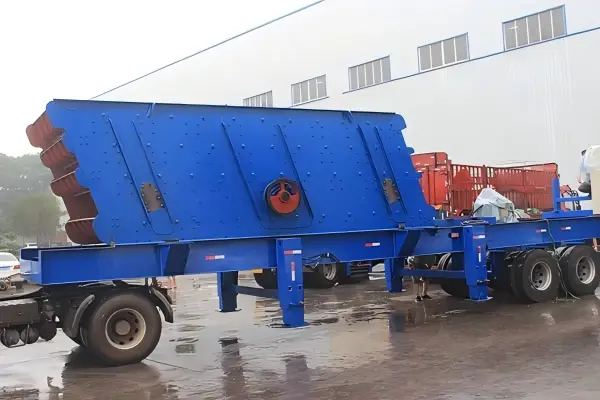
Screening Plants and Screen Assemblies
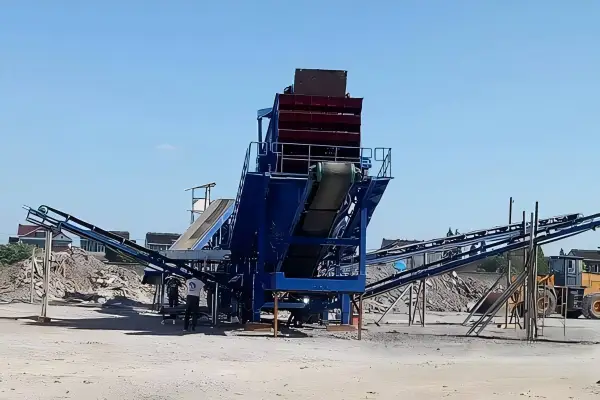

Boîte d'écran, Mobile Frame and Discharge Equipment
Screen deck and media
The screen surface presents openings to the moving bed of material. Deck area, media condition and feed distribution work together to provide the intended size separation.
Controlled receiving arrangement
The inlet and feed connection distribute prepared material across the screen. A consistent feed limits local overloading and gives particles access to the screening surface.
Separate discharge routes
Chutes and conveyors carry each screened stream toward its own stockpile or process connection. A dedicated return conveyor can send oversize back to the crusher while finished fractions move to their stockpiles.
Mobile equipment support
The mounted frame carries the screen assembly and its defined connections. Operating supports, conveyor positions and relocation requirements belong to the selected plant arrangement.
Applications des installations de criblage mobiles
Quarry aggregate grading
After crushing, the screen separates a mixed-size aggregate stream into the required product fractions. Each outlet connects to an appropriate conveyor or stockpile so the products remain separate. Where further reduction is needed, designated oversize can return to a mobile cone crushing stage. Feed grading, forme des particules, deck loading and screen openings together influence the finished product.
Prepared recycled aggregate
Suitable crushed concrete and other prepared mineral material can enter a grading stage after appropriate feed preparation. Size separation is different from removing wood, plastique, reinforcing steel or other contaminants. Those materials require their own handling within the recycling arrangement. The feed composition and moisture condition determine whether a conventional screen can maintain the required separation.
Relocatable mineral and stockpile screening
A mobile screening installation can classify prepared mineral feed or reprocess a stockpiled stream where the selected screen suits its size and condition. The separated material may proceed to stockpiles or another processing stage. Coarse scalping ahead of a crusher is a different duty from final grading; feed impact, bed depth and screen media must match the intended position.
Feed Grading, Moisture and Screen Openings
Crushed limestone, granit, basalte, suitable ore and prepared recycled aggregate have different screening behavior. Fine particles close to the opening size are harder to separate than material well above or below it. Moisture and adhering clay can blind openings and change the effective duty. For clay-rich or sticky feed, the screening arrangement is reviewed together with any washing or feed-preparation requirements.
The screen opening is a geometric dimension, while product grading describes the size distribution in an outlet stream. Particle shape, vitesse d'avance, bed depth and media condition affect that distribution. UN standalone vibrating screen uses the same size-separation principle without defining the mobile chassis and transport arrangement.
Mobile Screening Plant Equipment Configuration
| Assemblée | Portée de l'équipement | Operating relationship |
|---|---|---|
| Receiving and feed | Defined hopper, chute or upstream conveyor connection | Deliver prepared material within the selected feed limits and distribute it across the screen |
| Screen box and decks | Screening surface, vibration assembly and specified media | Provide the required separations; deck area and opening are different dimensions |
| Product discharge | Separate chutes and conveyors for the selected fractions | Keep output streams distinct from each other and from the oversize return |
| Oversize connection | Discharge to stockpile or specified return conveyor | Route designated larger material without mixing it into finished products |
| Mobile frame and supports | Mounted structure and selected chassis arrangement | Carry the assembly under its defined operating and transport conditions |
| Drive and controls | Specified power supply and equipment controls | Coordinate the supplied screen and conveyors; installed options depend on scope |
Product Conveyors and Oversize Return
| Flux | Destination | Process role |
|---|---|---|
| Prepared feed | Screen receiving section | Introduce the mixed-size material from crushing or a prepared stockpile |
| Selected product fractions | Dedicated product conveyors and stockpiles | Transfer each intended size fraction without passing it through the oversize loop |
| Designated oversize | Return conveyor to the crusher, or a separate stockpile | Provide further reduction in a closed circuit or retain the larger fraction separately |
| Separated fines | Its designated outlet and handling arrangement | Keep the fine fraction distinct; further treatment depends on its intended use |
Plant sizing includes both fresh feed and oversize returned for further crushing. This keeps the crusher and screen duties aligned across the circuit. UN mobile impact stage can work with screening for suitable feed, while the aggregate production arrangement defines the wider material routes. Le mobile equipment range distinguishes the reduction stages from the screening stage.
FAQ sur les installations de criblage mobiles
What work does a mobile screening plant perform?
The screen sorts prepared material into size fractions, and connected conveyors transfer them to stockpiles or further treatment. It can work alongside a crusher or near a material stockpile.
What affects the grading of screened products?
Screen openings, distribution d'aliments, forme des particules, deck loading and media condition influence separation. These factors are considered together when defining the required product fractions.
Where does oversize go in a closed circuit?
A dedicated conveying route returns oversize to the crusher for further reduction. Finished fractions leave through separate outlets toward their stockpiles or next process stages.
How does moisture or clay affect screening?
Moisture and adhering clay can blind screen openings. Feed condition, screen media and the intended separation guide the equipment choice and any washing or feed-preparation stages.
Contacter Vanore Mining
Discuss Your Screening and Product Routes
Tell Vanore Mining about the feed material, incoming grading, moisture condition and required product fractions. Include the existing crusher or stockpile connection so our team can review the screening stage, discharge conveyors and any oversize-return route.