
Proses penghancuran limbah konstruksi mengubah beton yang diurutkan, bata, pasangan bata dan bahan aspal pilihan menjadi pecahan agregat yang dapat digunakan kembali melalui pengumpanan terkontrol, penghapusan kontaminan, penumpasan, pemisahan dan penyaringan logam. Garis lengkap melindungi penghancur dari serpihan yang tidak sesuai, mengontrol ukuran partikel dan memisahkan setiap timbunan jadi untuk pengujian terhadap spesifikasi material lokal yang disyaratkan.
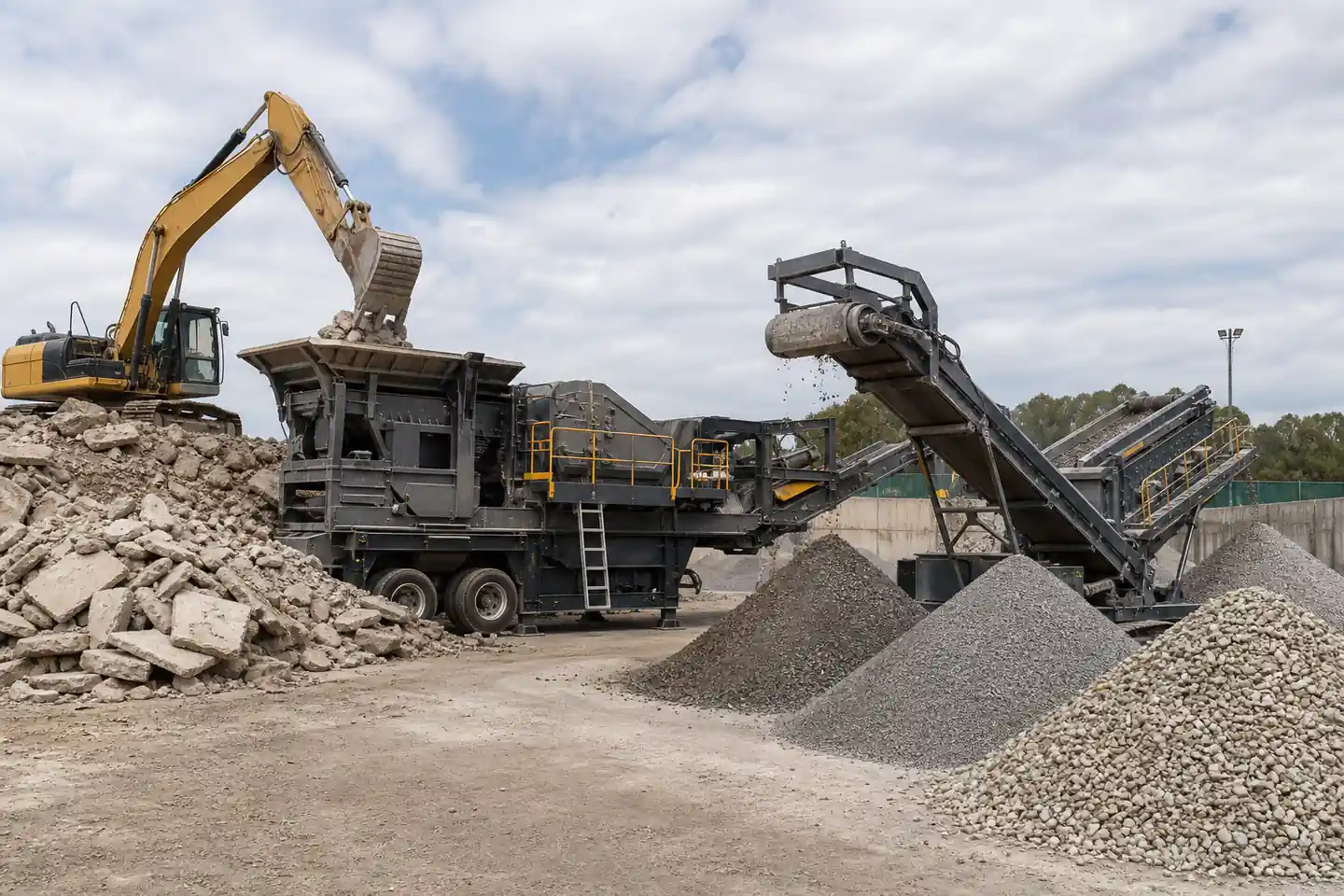
Ikhtisar Proses Penghancuran Limbah Konstruksi
Bahan konstruksi dan pembongkaran bukanlah umpan penghancur yang seragam. Beton dapat mengandung baja tulangan, sementara beban campuran juga dapat mencakup kayu, plastik, gips, kaca, isolasi, tanah dan bahan non-agregat lainnya. Oleh karena itu, daur ulang yang efektif dimulai dengan pengendalian material sebelum pengurangan ukuran. Masukan yang lebih bersih meningkatkan perlindungan peralatan dan membuat fraksi mineral yang disaring lebih mudah dikelola.
A pabrik penghancur limbah konstruksi menggabungkan pemberian makan yang dipilih, penumpasan, fungsi pemisahan dan pengangkutan untuk tugas ini. Peralatan bergerak dapat bekerja dekat dengan material yang ditimbun, sementara pengaturan tetap dapat mendukung pemrosesan berkelanjutan di tempat daur ulang khusus. Kedua tata letak menggunakan prinsip proses yang sama: mengisolasi pakan mineral yang sesuai, menguranginya secara progresif dan mengklasifikasikan outputnya.
Pemilahan Pakan dan Pengendalian Kontaminan
Inspeksi material dilakukan sebelum hopper. Bagian baja besar, kayu, kabel, plastik, produk gipsum dan wadah tertutup harus tetap berada di luar aliran penghancuran. Perlengkapan hidraulik dapat mengurangi beton berukuran besar dan memisahkan tulangan yang terbuka, sementara penyortiran manual atau mekanis menghilangkan kontaminan yang terlihat dari timbunan.
Pemisahan pakan juga melindungi konsistensi produk. Bahan kaya beton, material kaya batu bata dan material aspal dapat berperilaku berbeda selama penghancuran dan dapat memberikan kegunaan akhir yang berbeda. Menjaga kelompok material utama tetap terkendali memungkinkan pengaturan penghancur dan saringan sesuai dengan tingkatan dan kebersihan agregat yang diperlukan.
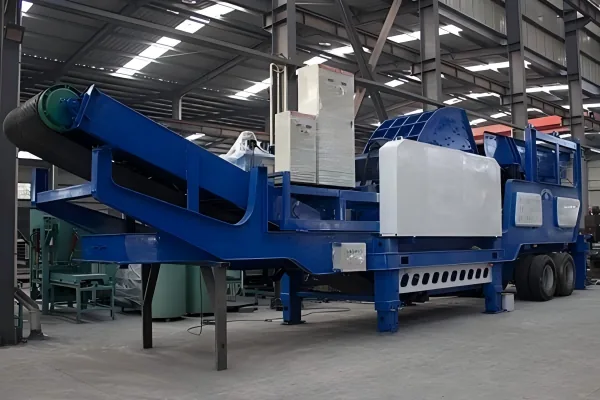
Pemberian Makan Terkendali dan Pengurangan Primer
Hopper menerima pakan yang telah disiapkan, dan pengumpan bergetar meteran material menuju ruang penghancur. Pengumpanan yang stabil membatasi lonjakan tiba-tiba dan menyediakan lapisan material yang lebih konsisten. Bagian grizzly dapat menghilangkan partikel yang lebih kecil sebelum penghancur utama ketika mesin yang dipilih mencakup pra-penyaringan.
Penghancuran rahang biasanya digunakan untuk reduksi beton kasar, terutama bila potongan umpan berukuran besar memerlukan penghancuran kompresi. Penghancuran dampak dapat mendukung pengurangan lebih lanjut dan pembentukan partikel untuk umpan beton dan pasangan bata yang sesuai. Rute terakhir bergantung pada ukuran pakan, komposisi bahan, sifat abrasif, fraksi agregat yang dibutuhkan dan jumlah tahap penghancuran.
Pemisahan Logam Setelah Penghancuran Beton
Beton bertulang dapat melepaskan baja setelah material semen di sekitarnya pecah. Magnet overband atau katrol magnet menghilangkan logam besi dari aliran konveyor. Penyortiran manual sebelumnya tetap penting karena magnet tidak menghilangkan logam non-besi, kayu, plastik, kain, gipsum atau kontaminan ringan lainnya.
Pemisahan magnetik harus mengikuti jalur pelepasan yang jelas dengan jarak sabuk yang cukup untuk baja yang dilepaskan. Logam yang dibuang memerlukan tempat pengumpulan khusus yang jauh dari timbunan agregat jadi dan rute kendaraan yang aktif.

Penghancuran Sekunder dan Pembentukan Agregat
A pabrik penghancur dampak seluler dapat melakukan reduksi sekunder jika bahan dan kebutuhan produk yang dipilih sesuai dengan dampak penghancuran. Rotor dan ruang mengurangi pecahan beton dan membantu membentuk fraksi mineral sebelum penyaringan. Pemilihan dan pemeriksaan komponen aus harus mencerminkan sifat abrasif dan sisa penguatan dalam umpan.
Tidak semua jalur daur ulang membutuhkan penghancur kedua. Tahap penghancuran tunggal dapat menghasilkan basis yang luas atau fraksi pengisi, sedangkan penilaian yang lebih sempit atau pengurangan tambahan memerlukan penghancuran sekunder dan penyaringan sirkuit tertutup. Tahapan proses harus sesuai dengan produk yang dibutuhkan daripada menambah transfer yang tidak perlu.
Penyaringan dan Kontrol Ukuran Sirkuit Tertutup
A pabrik penyaringan seluler memisahkan material yang hancur melalui bukaan dek yang dipilih. Setiap konveyor pelepasan membentuk fraksi ukuran tersendiri, memungkinkan produk kasar dan halus tetap terpisah. Performa layar bergantung pada distribusi feed, kelembaban, konten denda, kondisi dek dan bukaan yang dipilih.
Dalam sirkuit tertutup, material berukuran besar dikembalikan ke crusher untuk pengurangan tambahan. Bahan yang melewati pembukaan saringan yang diperlukan dipindahkan ke timbunan jadi. Pengaturan konveyor memerlukan jarak yang cukup antar tumpukan untuk mencegah pencampuran selama pembongkaran dan penanganan loader.
Tahapan Proses dan Peran Peralatan
Setiap tahap mengontrol bagian kebersihan pakan yang berbeda, reduksi partikel atau penilaian akhir.
| Tahap Proses | Peralatan Utama | Fungsi Utama | Pengendalian Bahan | Hasil Hilir |
|---|---|---|---|---|
| Pra-penyortiran | Lampiran ekskavator, stasiun penyortiran atau inspeksi manual | Hapus material yang tidak cocok dan terlalu besar | Pisahkan bagian logam, kayu, plastik, gipsum dan puing-puing campuran | Umpan mineral yang lebih bersih untuk hopper |
| Makanan | Pelompat, pengumpan bergetar dan grizzly opsional | Bahan meteran ke dalam penghancur | Batasi lonjakan dan hapus denda tertentu | Pemuatan penghancur terkendali |
| Penumpasan | Jaw atau penghancur dampak | Kurangi beton, batu bata dan pasangan bata | Cocokkan saluran masuk, ruang dan pengaturan ke umpan | Mengurangi bahan mineral untuk pemisahan dan penyaringan |
| Penghapusan logam | Magnet overband atau katrol magnet | Hapus logam besi yang dilepaskan | Pertahankan paparan sabuk dan titik pengumpulan logam terpisah | Aliran agregat yang lebih bersih |
| Penyaringan | Layar multi-dek dan konveyor produk | Klasifikasikan material yang hancur berdasarkan ukurannya | Jaga kondisi dek, distribusi pakan dan penimbunan terpisah | Pecahan agregat yang ditentukan dan pengembalian yang terlalu besar |
Kontrol Kualitas Agregat Daur Ulang
- Komposisi masukan: menjaga bahan non-agregat dan limbah berbahaya di luar jalur penghancuran.
- Penghapusan logam: menggabungkan penyortiran yang terlihat dengan pemisahan magnetik di mana terdapat beton bertulang.
- Penilaian partikel: gunakan pengaturan penghancur dan bukaan layar yang sesuai dengan ukuran pecahan yang dibutuhkan.
- Pemisahan timbunan: mencegah ukuran dan kelompok bahan yang berbeda tercampur setelah penyaringan.
- Kelembaban dan debu: mengoordinasikan penekanan atau pengumpulan di sekitar titik pemindahan tanpa menimbulkan penumpukan material basah yang tidak terkendali.
- Pengujian produk: memverifikasi penilaian, komposisi dan sifat lain yang diperlukan dibandingkan dengan tujuan penggunaan dan spesifikasi lokal yang berlaku.
Agregat daur ulang dapat digunakan untuk aplikasi seperti landasan jalan, sub-basis, platform kerja, lapisan drainase atau pengisian umum ketika sifat yang diuji memenuhi persyaratan proyek yang relevan. Penghancuran dan penyaringan menghasilkan pecahan fisik; persetujuan untuk penggunaan akhir tergantung pada kualitas bahan, pengujian dan standar lokal.
Integrasi Peralatan Seluler dan Dukungan Situs
Vanore jangkauan penghancur seluler dapat menghubungkan makan, menghancurkan dan menyampaikan tugas di sekitar ruang situs yang tersedia. Tata letak daur ulang dapat menggunakan satu unit gabungan atau modul penghancur bergerak dan layar terpisah. Tinggi perpindahan, arah sabuk, posisi magnet, pembersihan timbunan dan rute pemuat harus membentuk satu jalur material yang terkoordinasi.
Debu dapat terbentuk di hopper, pelepasan penghancur, titik transfer layar dan konveyor. Kontrol yang dipilih dapat menggabungkan penekanan air, kandang dan cocok peralatan pengumpulan debu sesuai dengan kelembaban bahan, persyaratan lingkungan setempat dan pengaturan pabrik.
Informasi Konfigurasi Pabrik Daur Ulang
Vanore Mining dapat mendiskusikan peralatan seputar komposisi pakan, ukuran benjolan maksimum, kondisi baja tulangan, ukuran agregat yang diperlukan, aliran per jam yang diharapkan, metode pengendalian kontaminasi dan dimensi lokasi yang tersedia. Tim proyek bisa hubungi Vanore Mining dengan foto material dan proses yang direncanakan jadi crushernya, layar, magnet dan konveyor dapat dianggap sebagai satu sistem yang terhubung.
Pertanyaan Umum
Bahan apa yang bisa masuk ke jalur penghancuran limbah konstruksi?
Pakan yang cocok dapat mencakup beton yang telah disortir, bata, pasangan bata dan bahan aspal pilihan. Kayu, plastik, gips, kaca, tanah, bahan berbahaya dan kontaminan lainnya memerlukan pengendalian terpisah sesuai dengan proyek dan peraturan setempat.
Mengapa penghilangan logam digunakan dalam daur ulang beton?
Puing-puing beton dapat mengandung baja tulangan dan logam besi lainnya. Penyortiran manual dan pemisahan magnetik melindungi peralatan hilir dan meningkatkan kebersihan aliran agregat.
Bagaimana ukuran agregat daur ulang dikontrol?
Pengaturan penghancur menetapkan rentang reduksi, sementara pabrik penyaringan memisahkan bahan yang dihancurkan menjadi fraksi ukuran tertentu. Kebesaran dapat menyebabkan pengurangan tambahan dalam sirkuit tertutup.