
تأثير سحق للحجر الجيري يجمع بين تقليل الحجم الثانوي والتحكم في الشكل الكلي في المحاجر ومحطات التكسير الثابتة. يربط الخط المتوافق جيدًا الكسارة التصادمية بالتغذية الخاضعة للتحكم, النقل والفحص بحيث تتلقى كل مرحلة تدفقًا ثابتًا للمواد.
لماذا يناسب الحجر الجيري تأثير التكسير
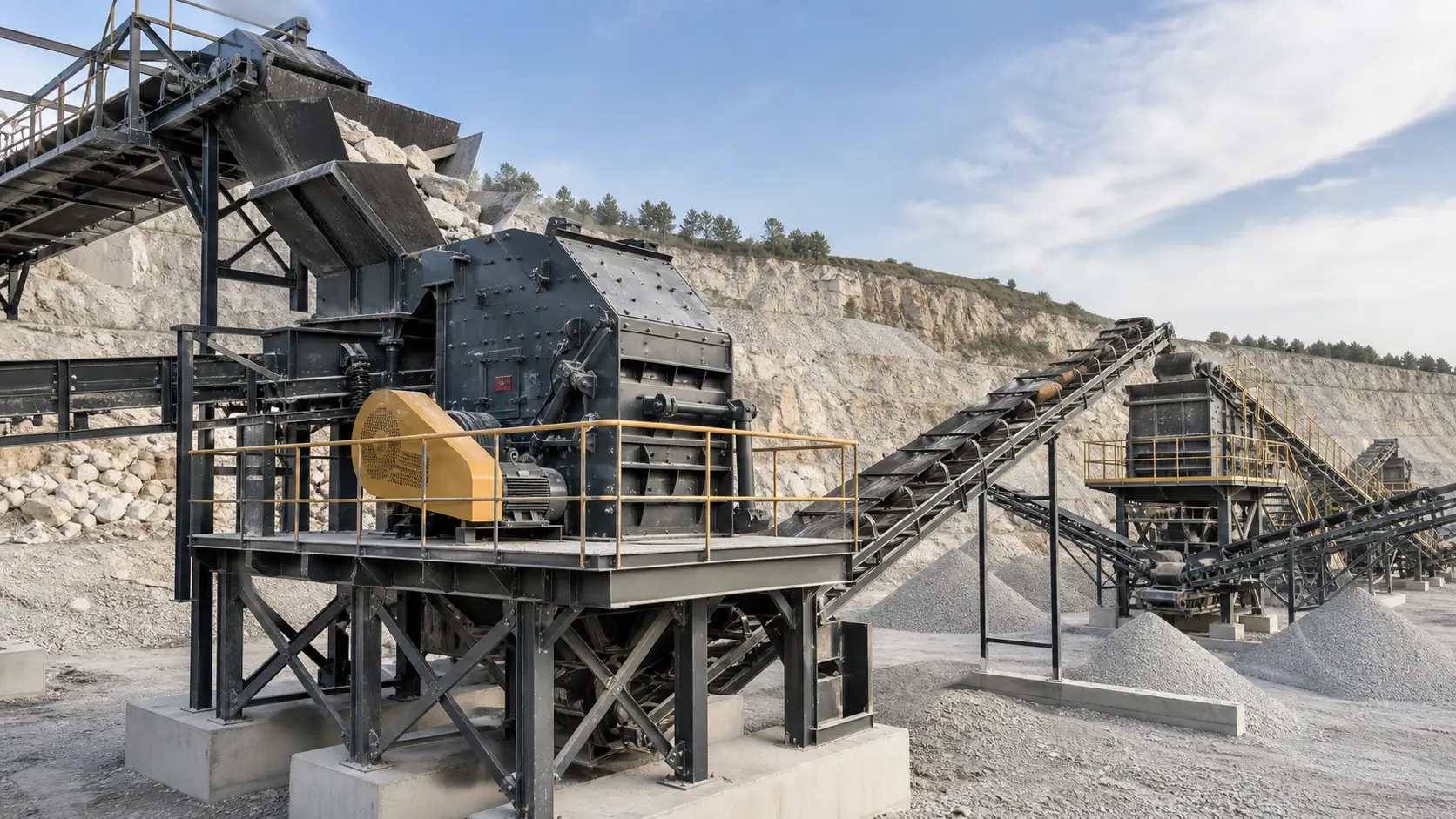
عادة ما ينكسر الحجر الجيري بشكل فعال تحت قوة التأثير. داخل ان كسارة الصدم, يقوم الدوار بتسريع المواد نحو عناصر التأثير وأسطح الغرفة. يؤدي هذا الإجراء إلى تقليل حجم الجسيمات ويمكن إنشاء أشكال مجمعة أكثر انتظامًا من الضغط وحده. لذلك, غالبًا ما تقوم مصانع المحاجر بوضع الماكينة بعد التكسير الأولي وقبل الفحص النهائي.
لكن, اسم المادة وحده لا يحدد ترتيب المعدات. رُطُوبَة, محتوى الطين, كشط, الحد الأقصى لحجم التغذية والكسور النهائية المطلوبة تؤثر أيضًا على الخط. ويجب أن يأخذ تصميم النبات في الاعتبار هذه الخصائص معًا لأنها تؤثر على استمرارية التغذية, ظروف التآكل وأداء الشاشة.
دور الكسارة الصدمية في خط التكسير الثابت
في مصنع ثابت نموذجي, يؤدي التكسير الأولي أولاً إلى تقليل حجم حجر المحجر الكبير. التالي, تعالج الكسارة الصدمية مرحلة التخفيض الثانوية. يقوم الناقلون بعد ذلك بنقل المواد المسحوقة إلى الشاشة, حيث يقوم المصنع بفصل أحجام الركام القابلة للبيع وإرجاع الجزيئات كبيرة الحجم عندما تتضمن الدائرة إعادة التدوير.
هذا الترتيب يجعل الكسارة الصدمية مكونًا واحدًا من عملية كاملة وليس آلة معزولة. توفر شركة Vanore Mining الكسارات الصدمية داخل نطاقها نطاق الكسارة الثابتة ويدعم مطابقة المعدات للمحجر الثابت, مصانع معالجة الركام والمعادن.
الدوار, الغرفة والشكل الكلي
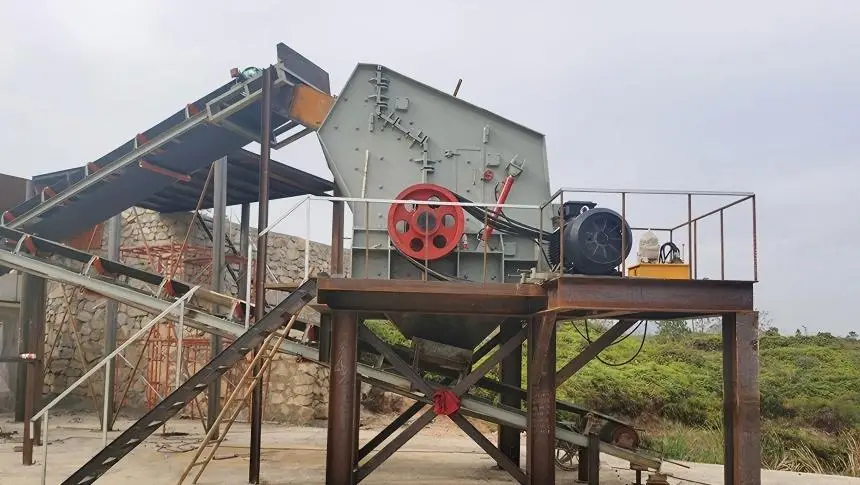
يوفر الدوار الطاقة الحركية لكسر الصدمات, بينما تقوم الغرفة بتوجيه الاتصال المتكرر بين المادة وأسطح التأثير. معاً, تؤثر هذه الأجزاء على سلوك التخفيض وشكل الركام المفرغ. يساعد توزيع التغذية المستقر الدوار على العمل عبر عرضه المتاح بدلاً من تركيز المواد في قسم واحد.
فضلاً عن ذلك, يؤثر تعديل التفريغ وحالة جزء التآكل على المادة النهائية. يجب أن يتوافق شكل المنتج المطلوب مع التطبيق المقصود, ما إذا كان الركام سيدخل إنتاج الخرسانة, قاعدة الطريق, البناء العام أو عملية المصب الأخرى. يجب على المشغلين فحص أجزاء التآكل وفقًا لظروف المواد الفعلية وساعات التشغيل.

العوامل الرئيسية في تأثير سحق الحجر الجيري
يعمل التكسير الصدمي للحجر الجيري بشكل أفضل عندما تتوافق حالة التغذية الكاملة مع الكسارة والغربلة. تساعد العوامل التالية في تحديد هذا التطابق دون الاعتماد على تكوين عام واحد.
| عامل | لماذا يهم؟ | استجابة النبات |
|---|---|---|
| الحد الأقصى لحجم التغذية | يتحكم في تحميل المدخل ومرحلة التكسير الأولية المطلوبة. | تطابق مدخل الكسارة, آلة التغذية والمنبع. |
| الرطوبة والطين | يمكن أن يؤثر على تدفق المواد من خلال المزالق والشاشات. | قادوس المراجعة, المغذية, شلال وترتيب الفرز. |
| كشط | يؤثر على اختيار أجزاء التآكل وفترات الصيانة. | تقييم التركيب المعدني الفعلي وواجب التشغيل. |
| الكسور المنتهية | يحدد الطوابق الشاشة, فتحات الشبكات واحتياجات إعادة التدوير. | تنسيق تفريغ الكسارة مع دائرة الفحص. |
| التدفق النباتي المطلوب | يربط كل آلة بهدف الإنتاج الإجمالي. | تغذية متوازنة, سحق, قدرة النقل والفحص. |
الفحص بعد سحق الصدم
أ شاشة تهتز يصنف تفريغ الكسارة إلى نطاقات حجم محددة. تتحرك الكسور النهائية نحو المخزونات المنفصلة, بينما يمكن للمواد كبيرة الحجم العودة إلى مرحلة التكسير في دائرة مغلقة. نتيجة ل, تحدد الشاشة ما إذا كان الخط يفصل بين المنتجات المطلوبة بشكل متسق.
منطقة الشاشة, ترتيب سطح السفينة, فتحات الشبكات وتوزيع الأعلاف كلها أمور مهمة. علاوة على ذلك, يجب أن تستقبل الشاشة المواد بمعدل متحكم فيه. إذا كان الناقل يسلم طفرة غير متساوية, يمكن لقسم واحد من الشاشة أن يحمل حمولة أكبر من قسم آخر, مما يقلل من منطقة التصنيف الفعالة.
تدفق تكسير الحجر الجيري النموذجي
- يستقبل القادوس الحجر الجيري المنفجر أو المحفور.
- تتحكم وحدة التغذية في دخول المواد إلى الكسارة الأولية.
- التكسير الأولي يقلل من الحجر الكبير للمرحلة الثانوية.
- تقوم الكسارة التصادمية بإجراء التخفيض الثانوي والتحكم في الشكل.
- تقوم الشاشة الاهتزازية بفصل أجزاء الركام المطلوبة.
- يقوم الناقلون بنقل المنتجات النهائية وإرجاع المواد كبيرة الحجم عند الحاجة.
يتغير التسلسل الدقيق مع حجم التغذية الخام, المنتجات المستهدفة وتخطيط الموقع. على سبيل المثال, تحتاج بعض النباتات إلى غربلة مسبقة قبل التكسير الثانوي, بينما يحتاج البعض الآخر إلى أكثر من مجموعة منتجات نهائية واحدة. بالتالي, يجب أن يبدأ اختيار المعدات ببيانات المواد ومخرجات العملية المطلوبة.
المعلومات المطلوبة لمطابقة المعدات
تسمح بيانات المشروع الواضحة لشركة Vanore Mining بتقييم الكسارة والمعدات المحيطة بها كنظام واحد. تتضمن المعلومات المفيدة اسم المادة, الحد الأقصى لحجم التغذية, حالة الرطوبة, الأحجام النهائية المطلوبة, التدفق المتوقع على مدار الساعة, ساعات العمل وظروف الطاقة في الموقع. يمكن أن توفر الصور أو المعلومات المختبرية سياقًا إضافيًا عندما تختلف المادة عبر الرواسب.
يمكن لفرق المشروع اتصل بشركة فانور للتعدين لمناقشة ترتيبات التكسير والغربلة الصدمية للحجر الجيري أو الحجر متوسط الصلابة. يمكن أن تغطي المراجعة دور الكسارة, مسار التغذية, تكوين الشاشة, اتصالات الناقل والمساحة المتاحة في الموقع.
التعليمات
لماذا يتم استخدام كسارة الصدم بشكل شائع للحجر الجيري?
الحجر الجيري مناسب بشكل عام للكسر الناتج عن الصدمات. يمكن أن توفر الكسارة الصدمية تقليلًا ثانويًا للحجم مع دعم التحكم في الشكل الكلي قبل الغربلة.
ما هي المواد التي يمكن أن تتبع مسارًا مشابهًا للسحق التصادمي؟?
يمكن للعديد من المواد متوسطة الصلابة وغير الكاشطة أن تتبع طريقًا مشابهًا, على الرغم من التركيب المعدني, رُطُوبَة, ويجب مراجعة قوة الكشط وحجم التغذية لكل نبات.
لماذا يعد الفحص مهمًا بعد التكسير التصادمي؟?
الغربلة تفصل المواد المسحوقة إلى نطاقات الحجم المطلوبة. يمكن أن تعود المواد كبيرة الحجم إلى الكسارة, بينما تنتقل الأجزاء النهائية إلى المخزونات أو مرحلة العملية التالية.