
Cement Kiln Equipment
Cement Rotary Kiln for Clinker Production
Vanore Mining supplies cement rotary kiln equipment for clinker production. The refractory-lined rotating shell, estaciones de soporte, transmission and end seals connect prepared kiln feed with the firing zone and clinker cooler in a cement production line.
Cement Rotary Kiln for the Clinker Burning Stage
Prepared cement raw materials undergo thermal and chemical reactions in the kiln to form clinker. The inclined shell rotates to move and turn the material through the burning stage. Clinker then passes to a cooler before storage and finish grinding.
Vanore supplies kiln assemblies for the thermal section of a cement line. Raw preparation, any preheater and precalciner, kiln firing, clinker cooling and cement grinding have separate duties and must be coordinated within the plant configuration.
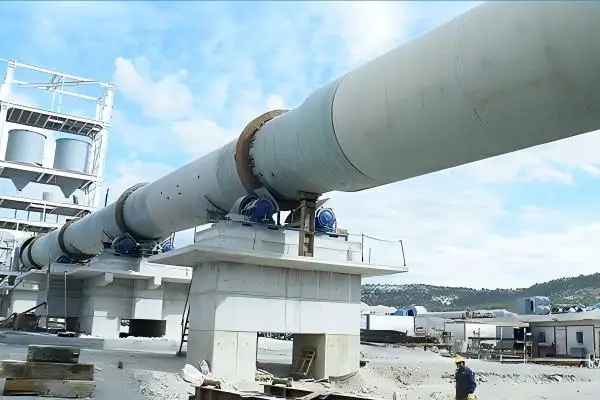
Cement Rotary Kiln Design and Equipment Gallery
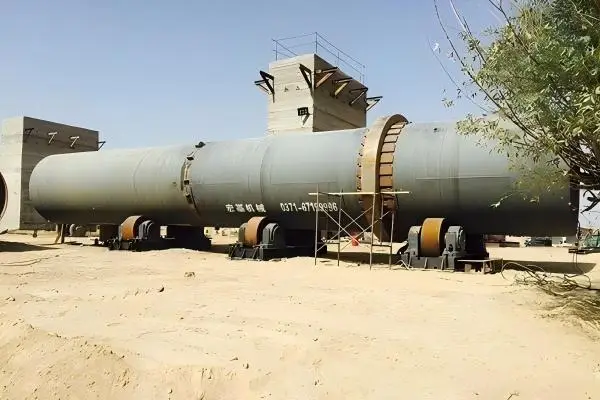
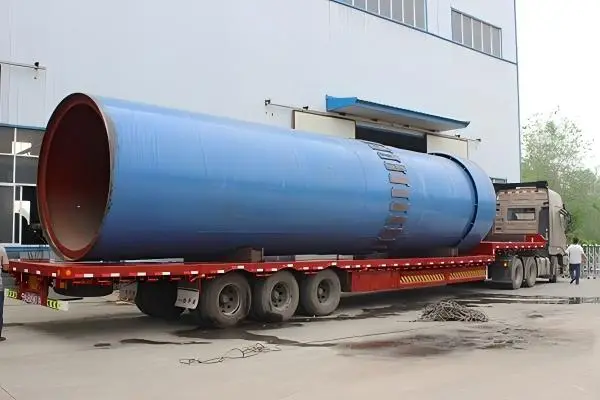

Cement Kiln Mechanical Features
Refractory-lined shell
The steel shell and internal refractory form the rotating process enclosure. Shell geometry and lining condition affect the interface between the thermal duty and mechanical structure.
Riding rings and roller stations
Support stations carry the shell and process load. Their arrangement must accommodate alignment, loading and thermal movement.
Main transmission
The motor, reducer and gear arrangement provide kiln rotation. The drive rating is specified for the individual kiln configuration.
Stationary end connections
Inlet and outlet hoods and seals connect the rotating shell with upstream process equipment and the cooler. These interfaces also affect the gas path and air ingress.
Equipment Scope in Cement Clinker Production
Raw-feed and thermal-section integration
The kiln receives a prepared raw mix whose composition and physical condition suit the clinker process. In a dry-process arrangement, preheating and precalcination can precede the rotary stage. The kiln, gas connections and upstream thermal equipment are sized together for the clinker duty.
Clinker cooling and handling
Hot clinker leaving the burning stage enters a dedicated cooler. The cooling arrangement connects product handling with the plant air circuit. Conveying and storage follow cooling, while grinding with gypsum and other specified constituents takes place in a separate clinker grinding unit.
Replacement and plant modifications
When a kiln assembly is supplied for an existing line, the support layout, inlet and outlet positions, drive and cooler connections must fit the established plant. Replacement equipment is matched to the existing process, production target and mechanical connections.
Prepared Cement Kiln Feed
Cement kiln feed is a controlled mixture providing the required calcium, silica, alumina and iron constituents. Limestone and clay are common sources, combined in a prepared raw mix with the chemistry required for clinker formation. Feed chemistry and consistency, fuel characteristics and the thermal-system arrangement influence clinker formation.
Cement Rotary Kiln Specifications
| Diámetro del horno × longitud (metro) | Clinker capacity (t/día) | Velocidad de rotación (rpm) | Drive power (kilovatios) |
|---|---|---|---|
| 2.5 × 40 | 200 | 0.44–2.44 | 55 |
| 3.0 × 45 | 500 | 0.50–2.47 | 75 |
| 3.0 × 60 | 800 | 0.30–2.00 | 100 |
| 3.5 × 54 | 1,500 | 0.55–3.40 | 220 |
| 4.0 × 60 | 2,500 | 0.396–3.96 | 315 |
| 4.8 × 74 | 5,000 | 0.396–3.96 | 630 |
Capacity describes clinker production for the listed kiln configuration. The complete thermal line, raw mix and fuel conditions form part of the design basis.
Cement Line Equipment Connections
| Escenario | Equipo conectado | Función |
|---|---|---|
| Raw preparation | Aplastante, raw grinding, blending and feed equipment | Prepare a controlled kiln feed |
| Upstream thermal equipment | Preheater and precalciner where included | Prepare material before the rotary burning stage |
| Rotary stage | cáscara del horno, drive, firing and gas connections | Form cement clinker |
| Downstream cooling | Clinker cooler and conveying | Cool and transfer the clinker |
| Finish processing | Clinker storage and cement grinding | Prepare finished cement separately from kiln firing |
El rotary kiln range covers the thermal equipment platform. Dust collection must match the actual gas duty, mientras equipo de horno y secador y Vanore manufacturing facilities support the defined equipment supply.
Cement Rotary Kiln FAQ
What does a cement rotary kiln produce?
The kiln produces clinker. Después de enfriar, clinker is ground with gypsum and other specified constituents to make finished cement.
What do the capacity figures describe?
The figures describe clinker production for the listed kiln configurations. The raw mix, fuel and complete thermal line establish the design basis.
How are the preheater, precalciner and cooler coordinated?
Their arrangement follows the cement process and project scope. The kiln is integrated with the required upstream thermal equipment and downstream clinker cooler.
Which mechanical interfaces matter for a replacement kiln?
Support-station layout, shell dimensions, drive, inlet and outlet connections, seals and cooler interfaces must fit the process and existing plant arrangement.
Contacto Vanore Minería
Discuss Your Cement Kiln Equipment
Contact Vanore Mining about the required clinker duty, raw-feed and fuel conditions, existing plant arrangement and equipment scope. These details define the kiln assembly and its connected systems.